

Thinking of selling your campervan?
Everything you need to know to successfully sell your campervan or motorhome - from valuing and preparing it to creating a listing that converts and completing the sale safely.
Know your motorhome's real value
Getting the price wrong is the number one cause of slow sales. Before you list, build a clear picture of what your motorhome is worth in today's market.
Spring and early summer typically generate the highest buyer interest, while economic conditions and fuel prices also influence demand. Compare similar motorhomes currently listed, dig into completed sale prices on marketplaces and forums, and request part-exchange quotes so you understand the spread between dealer buy-in values and true private-sale potential.
Buyers often spend weeks researching - if you know more than they do, you hold the negotiation power.
Choose the right selling method
Your selling route affects your timeline, workload and final price. There's no single best option - it depends on whether you prioritise maximum return, speed, or convenience.
- Private sale offers the highest potential return but requires effort: photos, managing enquiries, arranging viewings and negotiating.
- Selling to a dealer is fast and guaranteed, but at a lower valuation due to dealer margins.
- A broker handles marketing and enquiries for a commission, often achieving a better price than a straight dealer sale.
- A motorhome buying service offers convenience and speed without the complexity of private selling.
Part exchange is popular if you're trading up - fast and convenient, but dealers offer less than market value. Whichever you choose, get your valuation first so you can negotiate with confidence.
Prepare your motorhome to maximise value
Presentation affects price more than most sellers realise. Well-prepared motorhomes sell faster and achieve stronger offers.
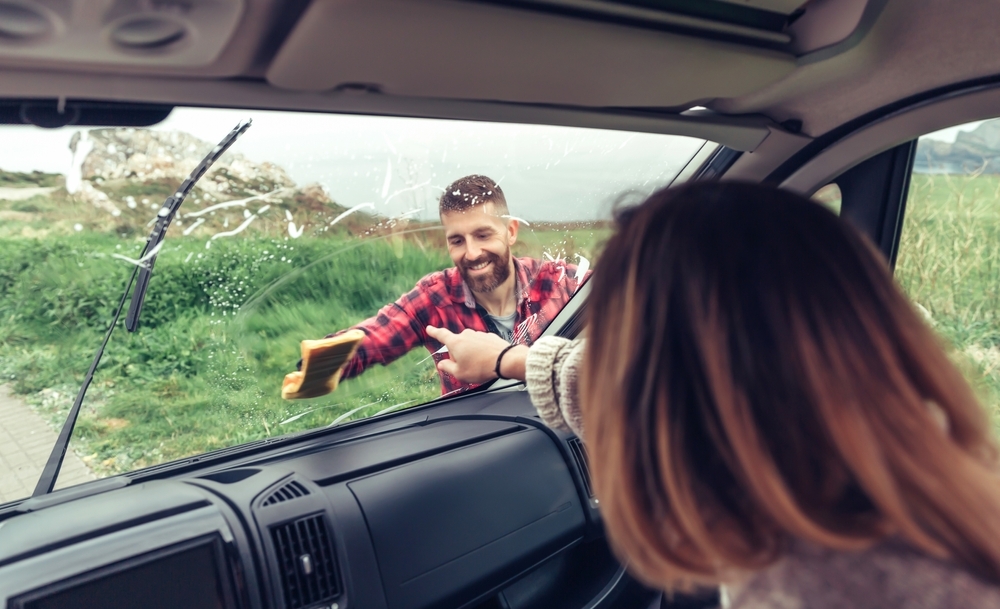
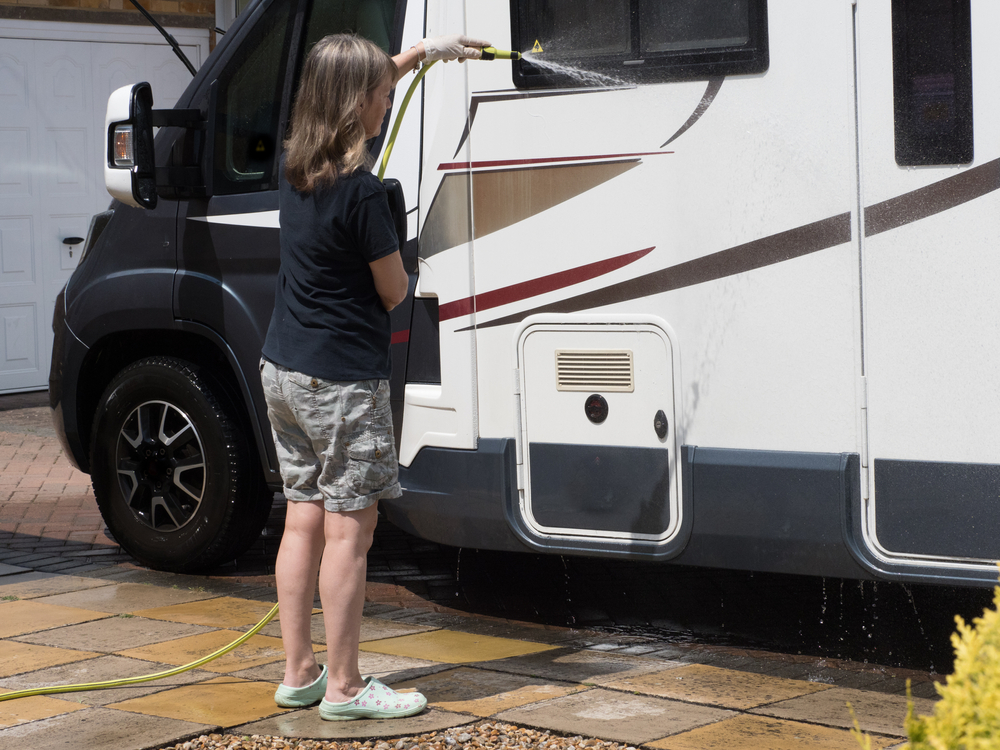
Mechanically, ensure servicing is up to date, the MOT has several months remaining, and any obvious issues are addressed. Inside, deep-clean every area, air out the space, repair loose fittings, and remove clutter to create a neutral, welcoming interior. Outside, wash and wax the body, clean windows and seals, and refresh faded plastics.
Small cosmetic improvements make a significant difference in perceived care and condition - and sellers who keep structured documentation typically achieve 5-12% higher prices at resale.
Gather your paperwork
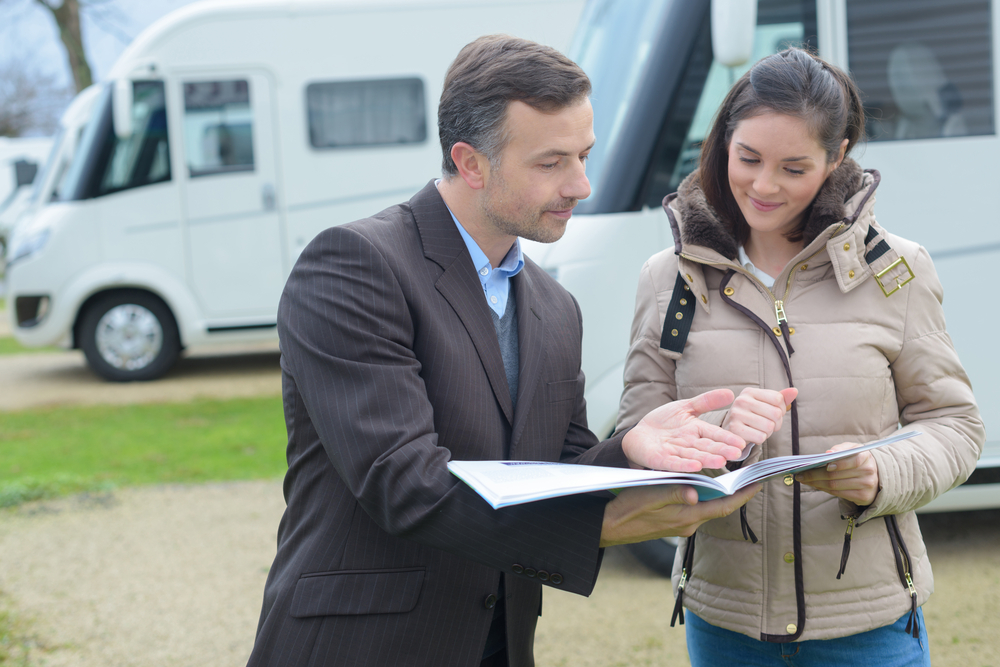
Documentation builds trust and speeds up the sale. Before you list, organise your V5C logbook, MOTs, service invoices, manuals, upgrade receipts, and evidence of ownership.
Clearly listing extras such as solar panels, upgraded batteries, security systems or awnings strengthens your position and helps justify your asking price. A clean, organised handover protects both you and the buyer.
Set a competitive asking price
Pricing your motorhome correctly is essential for generating enquiries. Compare active listings for your model, mileage, age and layout. Use valuation tools to benchmark dealer buy-in versus private-sale prices, and factor in condition, upgrades and service history.
Start slightly above your bottom line to allow for negotiation, avoid round numbers, and monitor saved views and message volume closely - they indicate whether your price is realistic.
Create a listing that converts buyers
A strong online listing significantly increases enquiries. Include 20-40 high-quality photos showing exterior angles, interior layout, seating, kitchen, washroom, storage and technical areas. Add a short video walkthrough to strengthen buyer confidence.
In your description, clearly state the make, model, year, mileage, layout, condition, service history, upgrades, ownership, and the genuine reason for sale. A well-structured listing instantly builds credibility and reduces time-wasting messages.
Handle enquiries and viewings efficiently
Buyers expect prompt, clear communication. Respond quickly, send additional photos on request, and pre-qualify potential buyers before arranging viewings. Choose safe, well-lit locations and remain present throughout inspections.
Keep control of the keys and only offer test drives to serious buyers. Good communication reduces no-shows and encourages firm offers.
Negotiate with confidence
Selling requires controlled negotiation. Set your minimum acceptable price before meeting any buyer. Use service history, upgrades and recent maintenance to justify your position.
Allow small concessions if they help close a strong deal, but avoid extended back-and-forth over text - meaningful negotiation happens in person. Test drives often increase commitment and convert hesitant buyers.
Complete the sale safely and securely
When you've agreed a price, prioritise safe payment. Bank transfer remains the safest and fastest option. Complete the DVLA transfer online, issue receipts for both parties, hand over documentation, and remove insurance once the sale is confirmed.
Delete personal data from any onboard systems. A clean, organised handover protects you and the buyer - and keeping your paperwork and maintenance records up to date dramatically improves future saleability.
Get an instant valuation
Not sure where to start? Use our free campervan valuation tool to get a market-based estimate for your vehicle before you list it.