
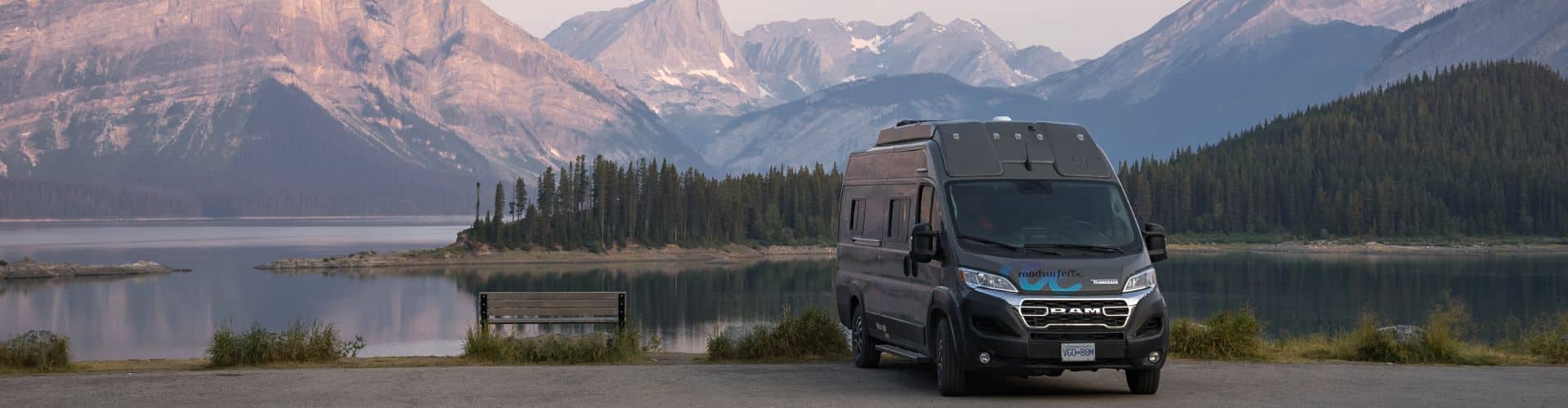
Hiring a campervan lets you experience van travel without committing to ownership costs like maintenance, storage, insurance or depreciation. Instead of guessing how it might feel, you get real insight into how you move, spend and live on the road.
How the rental process works
Most rentals follow the same general rules, though details vary by country and provider:
- Age - minimum rental age typically falls between 18 and 21, with 1–2 years of licensed driving experience usually required.
- Licence - most campervans (especially under 3.5 tonnes) can be driven with a regular licence.
- Documents - bring your original licence plus a passport or government ID; most providers want originals, not scans. You'll also need a card with enough funds for the security deposit.
- Pick-up - arrive with documents, review the vehicle condition, confirm existing damage, and get a walkthrough of the key functions.
What it actually costs
There's no single flat rate. The key factors that move the price:
- Vehicle type - older models are cheaper; newer sprinter-style builds sit in the mid-to-higher range. Motorhomes skew higher but older models can undercut premium campervans.
- Peak vs off-peak - summer, holidays and school breaks push daily rates up; spring and autumn are cheaper.
- Rental length - longer trips often reduce the nightly rate; short rentals can be proportionally pricier.
- Mileage - some rentals include mileage caps or charge per mile; others offer unlimited mileage, which simplifies budgeting on long routes.
- Age and configuration - newer builds or upgraded interiors cost more even at the same size.
What's included - and what costs extra
Rentals usually include the vehicle, fixed interior (beds, seating, storage), core onboard systems (electricity, basic climate, kitchenette/bathroom) and legally required safety gear. That's enough to use the van - but not necessarily everything you'd want for cooking, sleeping or outdoor use without add-ons.
Choosing the right size
Size has a bigger impact on comfort and cost than most people expect. Bigger isn't automatically better, and smaller isn't always cheaper overall. Smaller campers suit solo travellers or couples who prioritise flexibility; larger setups work for families or those wanting more living space. Match the size to how many people are travelling and how you plan to move day to day.
Read the full guide on the roadsurfer blog for provider-specific details and FAQs.


